
Seabrook Hedging Services
Choose our professional hedging services for precise, healthy, and beautifully maintained hedges that enhance your property's privacy, curb appeal, and value year-round.
Get a Free QuoteOur Seabrook Landscaping & Yard Care Services
When to Schedule Hedging in Seabrook, Texas – Seasonal Guide
In Seabrook, Texas, the best times to schedule hedging are typically late winter through early spring and again in late summer. These periods align with the region’s mild climate and help avoid the peak heat and humidity of midsummer, which can stress plants. Seabrook’s proximity to Galveston Bay means landscapes in neighborhoods like Old Seabrook and Lake Cove often experience higher humidity and salt exposure, making timing especially important for healthy growth and recovery after trimming.
Local environmental factors such as the last frost date—usually in early February—should be considered before scheduling hedging. Soil types in Seabrook range from sandy near the waterfront to heavier clay inland, affecting drainage and plant vigor. Areas with dense shade from mature oaks or pines, such as those near Pine Gully Park, may require different timing than sunnier yards. For more information on local climate and environmental guidelines, visit the official resource.
Local Factors to Consider for Hedging in Seabrook
- Tree and shrub density in your yard
- Proximity to the bay and salt exposure
- Soil type (sandy vs. clay)
- Shade coverage from mature trees
- Typical precipitation patterns and drought risk
- Municipal restrictions or neighborhood association guidelines
- Terrain and drainage characteristics
Benefits of Hedging in Seabrook
Enhanced Property Privacy
Improved Curb Appeal
Natural Windbreak Protection
Increased Property Value
Low Maintenance Landscaping
Eco-Friendly Green Solutions
Seabrook Hedging Types

Boxwood Hedges
-
Privet Hedges
-
Laurel Hedges
-
Yew Hedges
-
Holly Hedges
-
Photinia Hedges
-
Leylandii Hedges
Our Hedging Process
Consultation and Planning
Site Preparation
Precision Trimming
Cleanup and Inspection
Why Choose Seabrook Landscape Services
-
Seabrook Homeowners Trust Us
-
Expert Lawn Maintenance
-
Reliable Scheduling
-
Competitive Pricing
-
Professional Team
-
Satisfaction Guarantee
-
Personalized Service
Hedging Practices for Seabrook’s Coastal Soils and Drainage Patterns
Hedging in Seabrook requires careful consideration of the city’s predominant soil series, including Lake Charles clay and Beaumont clay, which are characterized by high clay content, poor drainage, and a pH range of 7.0-8.0. These soils can lead to water retention and root stress for hedge species, especially after heavy rainfall events common in the region. To promote healthy hedge growth, it is recommended to incorporate 2-3 inches of compost into the top 6 inches of soil and to select salt-tolerant species such as wax myrtle (Morella cerifera) and yaupon holly (Ilex vomitoria). Soil testing is available through the Texas A&M AgriLife Extension for a typical fee of $15-25. Maintain a 2-3 inch mulch layer to moderate soil moisture and temperature. For detailed soil mapping, consult the USDA Web Soil Survey.
Municipal Coordination and Debris Disposal for Hedging in Seabrook
Proper disposal of hedge trimmings and green waste in Seabrook is regulated by the city’s weekly yard waste collection program. Collection occurs every Thursday from April through November. Residents must use biodegradable bags or reusable bins (32-gallon maximum) for clippings; plastic bags and branches over 4 inches in diameter are prohibited. Hedge debris should not be placed in storm drains, as this violates Seabrook’s MS4 permit under the Clean Water Act. For questions about collection schedules or container requirements, contact:
Seabrook Public Works Department
1100 Red Bluff Road, Seabrook, TX 77586
Phone: (281) 291-5725
Official Website: Seabrook Public Works Department
Environmental Compliance: Buffer Zones and Wetland Protection in Seabrook
Seabrook’s proximity to Galveston Bay, Taylor Lake, and multiple wetland areas requires strict adherence to buffer zone regulations when performing hedging activities. Maintain a minimum 25-foot no-disturbance buffer from delineated wetlands and a 50-foot setback from the edge of open water bodies. The Texas Water Code and Texas Commission on Environmental Quality prohibit the application of fertilizers or pesticides within these buffer zones to protect water quality. All hedge debris must be contained to prevent runoff into stormwater systems. For guidance on wetland boundaries and compliance, coordinate with:
Seabrook Community Development Department
1700 First Street, Seabrook, TX 77586
Phone: (281) 291-5600
Official Website: Seabrook Community Development Department
Equipment Operation Hours and Safety Standards for Hedging in Seabrook
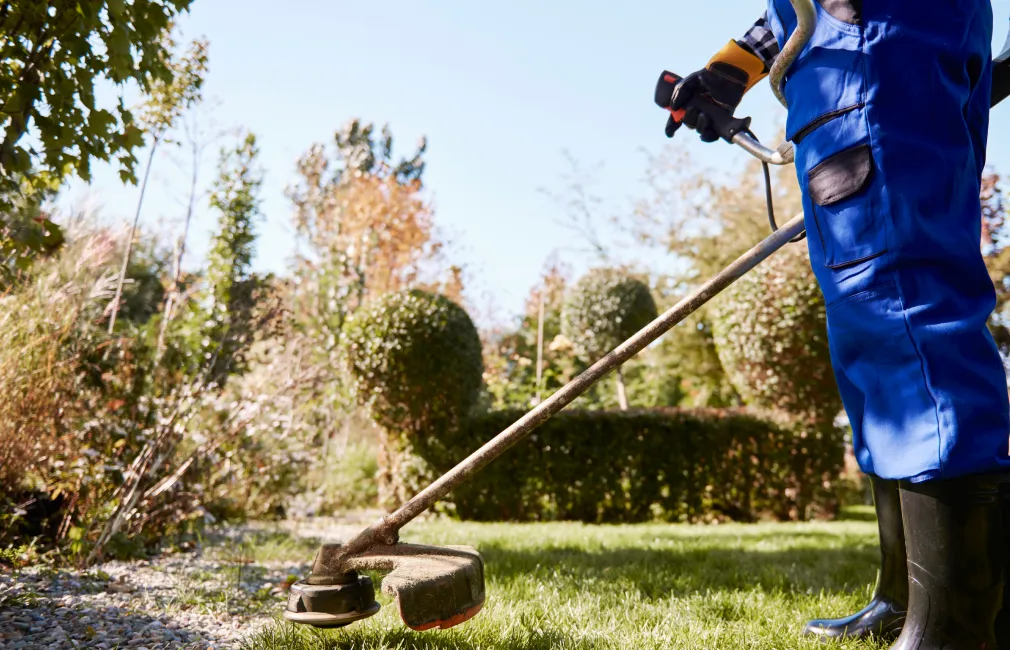
Hedge trimming and power equipment use in Seabrook are subject to municipal noise ordinances. Permitted operation hours are:
- Monday-Friday: 7:00 AM - 7:00 PM
- Saturday: 8:00 AM - 6:00 PM
- Sunday and holidays: Prohibited
All operators must use commercial-grade trimmers with functioning mufflers, and noise levels must not exceed 85 decibels at property lines. Personal protective equipment (PPE) is required, including:
- Eye protection: ANSI Z87.1 safety glasses
- Hearing protection: Earmuffs or plugs for 85+ dB
- Gloves: Cut-resistant for pruning
- Footwear: Steel-toed boots
For questions on compliance or to report violations, contact:
Seabrook Code Enforcement Department
1700 First Street, Seabrook, TX 77586
Phone: (281) 291-5730
Official Website: Seabrook Code Enforcement Department
Optimal Hedging Timing and Species Selection for Seabrook’s Climate Zone 9a
Seabrook is located in USDA Hardiness Zone 9a, with mild winters and hot, humid summers. The optimal window for major hedge pruning is late January through early March, before spring growth begins. Light shaping can be performed again in late September. Recommended hedge species for Seabrook’s climate and soils include:
- Wax myrtle (Morella cerifera)
- Yaupon holly (Ilex vomitoria)
- Southern waxleaf privet (Ligustrum japonicum)
- Dwarf yaupon (Ilex vomitoria ‘Nana’)
- Texas sage (Leucophyllum frutescens)
Space plants 18-24 inches apart for dense coverage. Avoid fertilizing hedges from June through August to reduce heat stress. For climate data and timing, consult the National Weather Service Houston/Galveston Office.
What Neighborhoods Do We Serve Throughout Seabrook, TX?
- Old Seabrook: Historic district with mature landscaping, compacted soils, and narrow streets requiring careful equipment access and debris containment.
- Lake Cove: Newer development with larger lots, improved drainage, and HOA guidelines affecting hedge height and species selection.
- Seascape: Waterfront area with high salt exposure, requiring salt-tolerant hedge species and attention to stormwater runoff.
- Mystic Village: Subdivision with clay-rich soils and moderate tree density, presenting challenges for root development and drainage.
- El Jardin del Mar: Coastal neighborhood adjacent to wetlands, subject to strict buffer zone regulations and seasonal flooding considerations.
- Marina Bay: Mixed-use area with commercial and residential properties, requiring coordination for debris pickup and adherence to noise ordinances.
- Searidge: Elevated lots with sandy subsoils and rapid drainage, necessitating frequent irrigation and mulch application for hedge health.
State and Federal Environmental Oversight for Hedging in Seabrook
Hedging activities in Seabrook must comply with the Texas Water Code and the city’s MS4 stormwater permit, which prohibit the discharge of green waste and chemicals into storm drains. The Texas Commission on Environmental Quality oversees statewide water quality and stormwater management, while EPA Region 6 provides federal oversight. For technical guidance on plant selection, soil amendments, and integrated pest management, consult the Texas A&M AgriLife Extension. Soil and site assessments should be conducted using the USDA Web Soil Survey.